For a new studio, the lead time is not just a production figure. It sets the date by which the order must be confirmed if the studio is to open on time. Miss that date, and the opening moves or the studio opens without its equipment.
This article explains typical lead times for bespoke Pilates and studio equipment, what starts the clock, what adds time on either side and how to plan a mixed order.
Typical production lead times
At Round Fit, typical production lead times are:
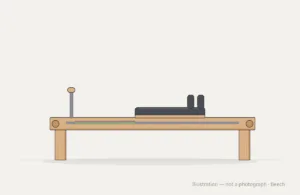
- Pilates collection: four to six weeks. This covers reformers, tower reformers, Cadillacs, chairs, barrels and small apparatus.
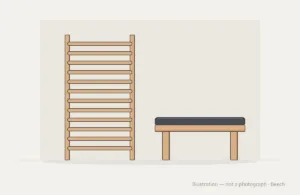
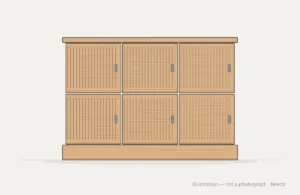
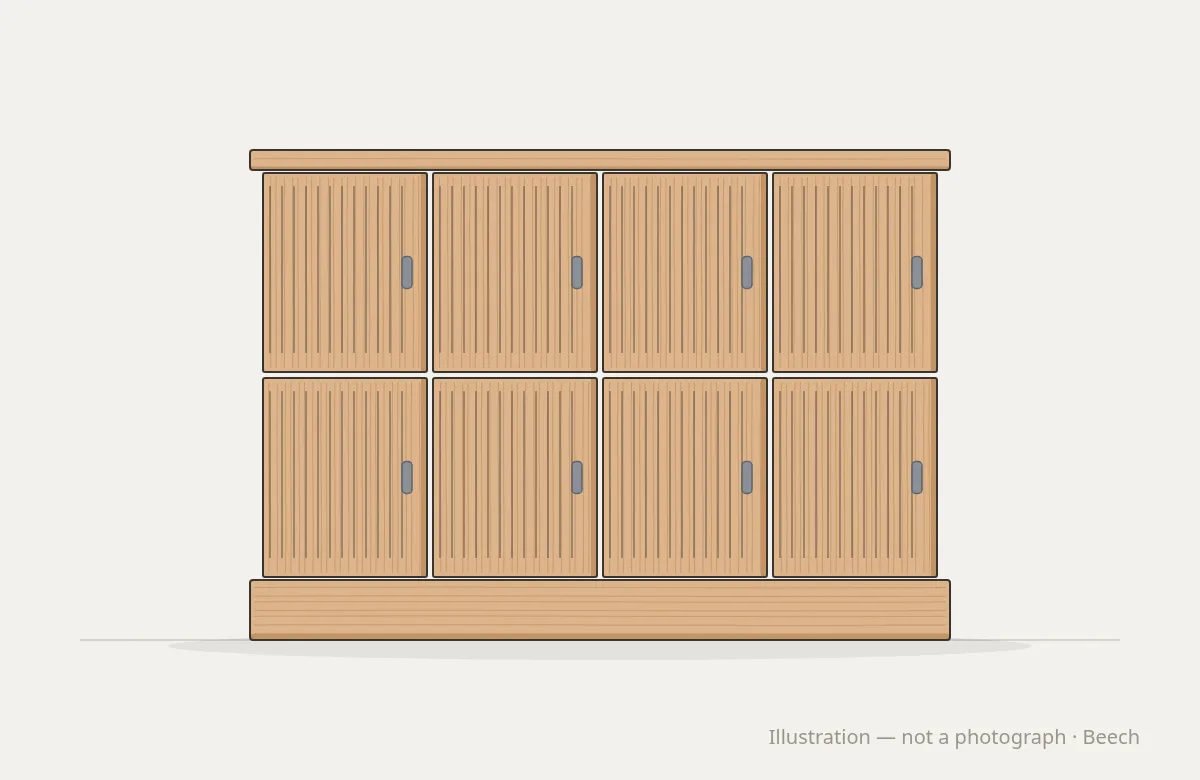
- Other collections: typically six to eight weeks. This covers strength and functional equipment, yoga and barre equipment, lockers, benches and other studio interiors.
The exact time depends on the project: quantities, customisation and the workshop’s schedule at the time of order. These figures cover production only.
What starts the clock
Production lead time starts once the specification is confirmed. That means:
- Drawings approved.
- Timber species, finish and colours approved, ideally on physical samples.
- Upholstery colour and material approved.
- Branding artwork and positions approved.
- Quantities and any site-specific variations fixed.
Delays almost always come from open decisions, not from production. An unapproved colour, a missing wall dimension, a logo file that has not arrived or a sign-off waiting for one more person can each add a week before production can start.
Architects in the UK work to the RIBA Plan of Work, and its checklist for Stage 1, Preparation and Briefing, recommends flagging missing information so it can be addressed. Do the same with an equipment order: list every open decision, who owns it and when it will be closed.
What adds time after production
Delivery. Transport from the workshop to each site adds time, which varies with the destination. Agree delivery terms clearly. International trade often uses the ICC’s Incoterms rules, which define where delivery happens, who pays for transport and when risk passes to the buyer.
Installation. Installation of Round Fit equipment is arranged through local distribution partners, who assess the wall before wall-mounted pieces are fixed. Book installation once the room is ready, not before.
Checks before opening. The Health and Safety Executive’s guidance on inspecting work equipment says that where safety depends on installation, equipment should be inspected after installation and before first use. Allow time for this, and for fixing any small issues found.
What must happen before delivery
Equipment should arrive when the room is ready for it:
- Floors finished and cured.
- Walls finished, with reinforcement in place for wall-mounted pieces.
- Power and data installed.
- Wet trades complete. New screeds and plaster release moisture as they dry. The Wood Handbook from the US Forest Products Laboratory explains that wood takes up moisture from the surrounding air and swells as it does, so timber equipment is best installed once the room has dried.
If the building programme slips, tell the maker early, so delivery can be adjusted.
Planning a mixed order
Most studios order more than one collection: reformers and lockers, for example, or a tower reformer, wall bars and a reception desk. There are two ways to plan a mixed order.
Plan to the longer lead time. Everything is produced in parallel and delivered together. Installation happens in one visit, and the studio is set up in one go.
Split delivery. Pilates equipment, with the shorter lead time, arrives first; interiors and other equipment follow. This can help if the studio wants to start Pilates classes before the changing rooms are finished, or if the order was confirmed late.
Whichever you choose, confirm all decisions for the whole order at once. Splitting decisions as well as deliveries often adds delay.
A worked example
A studio plans to open on a fixed date with eight reformers, a bank of lockers and a reception desk.
- Opening: the target date.
- Checks and training: one week before.
- Installation: in the week before that.
- Delivery: a few days before installation, depending on the route.
- Production: six to eight weeks for lockers and reception, so the order must be confirmed at least eight weeks before delivery.
- Approvals: one to two weeks before that, for drawings and samples.
That puts the latest date for starting approvals roughly three months before opening. Starting earlier gives room for the delays that every building project has.
Payment
Payment is typically 50 per cent at the start of production and 50 per cent at shipment. Make sure the first payment is approved in time for the order confirmation date.
Read more about how we work. Have an opening date? Tell us when, and we will plan backwards with you.